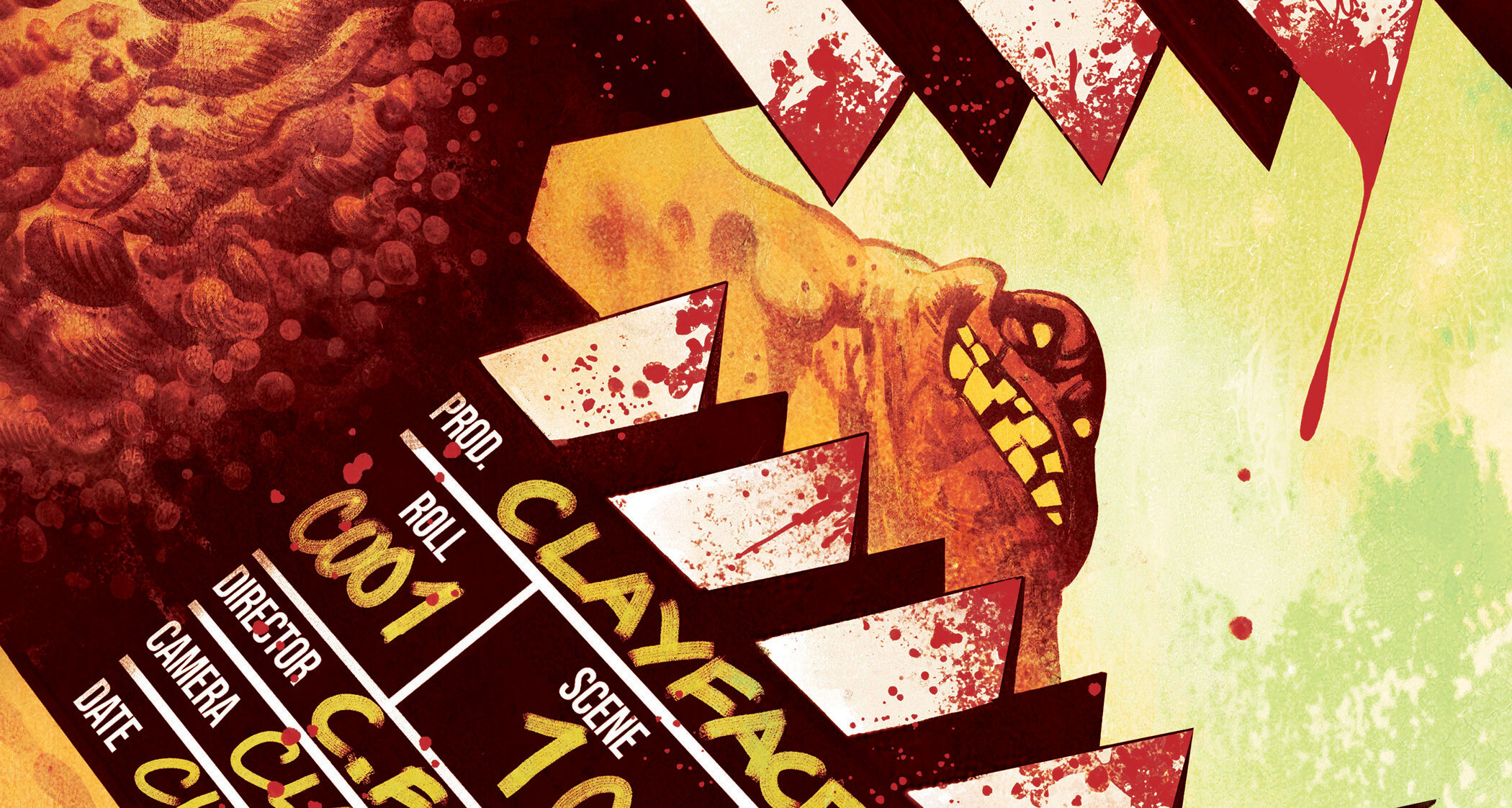
Clayface: Celebrity Dirt writer Jude Ellison S. Doyle Talks more about the mini-series and the different horrors it uncovers.
At the center of this tale is the original Basil Karlo, a figure who has swung from villain to hero and back again. S. Doyle characterizes him as a man perpetually at war with himself, a tragic figure whose addiction to fame and a transformative substance cost him control of his life. The writer draws a parallel to real-world struggles with addiction, noting that Basil’s plight is a hyper-stylized version of a very human problem.
Here is someone who got badly injured, who, through no real fault of his own, resorted to a substance to relieve his problems so that he could keep working, and who completely lost control of his own life and body as a result.”
The series leans into psychological horror by exploring the hollow nature of fame. Doyle finds Basil’s obsession with stardom fascinating, framing him as someone who never learned to be a person outside of being a “movie star.” The story forces Basil to confront whether achieving his life’s dream would actually fix him, or if it’s the very root of his problems. To complicate matters, the narrative introduces another entity living out the perfect life Basil covets, forcing him to question the value of his own ambitions.
Clayface is a Grotesque Masterpiece
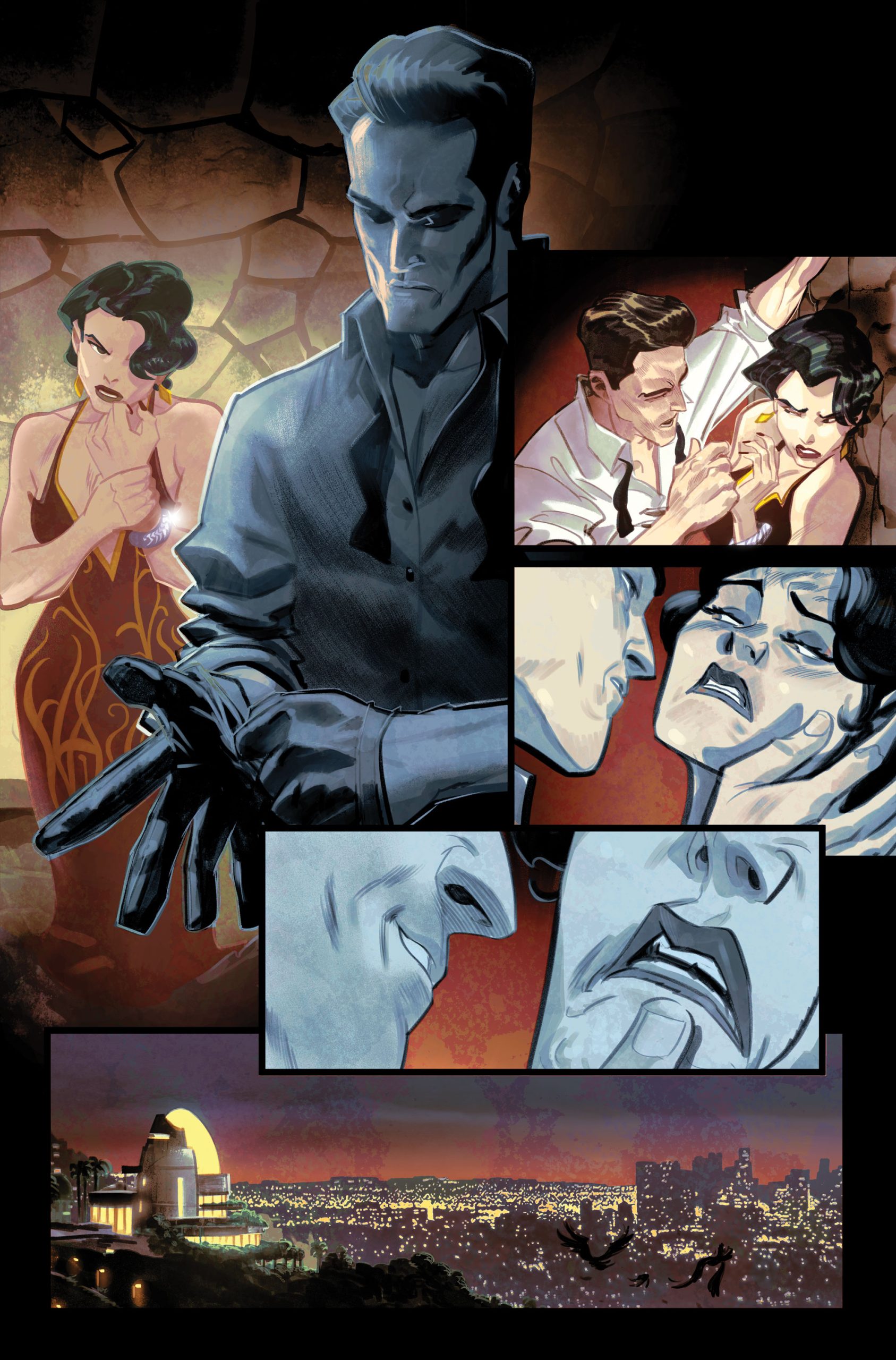
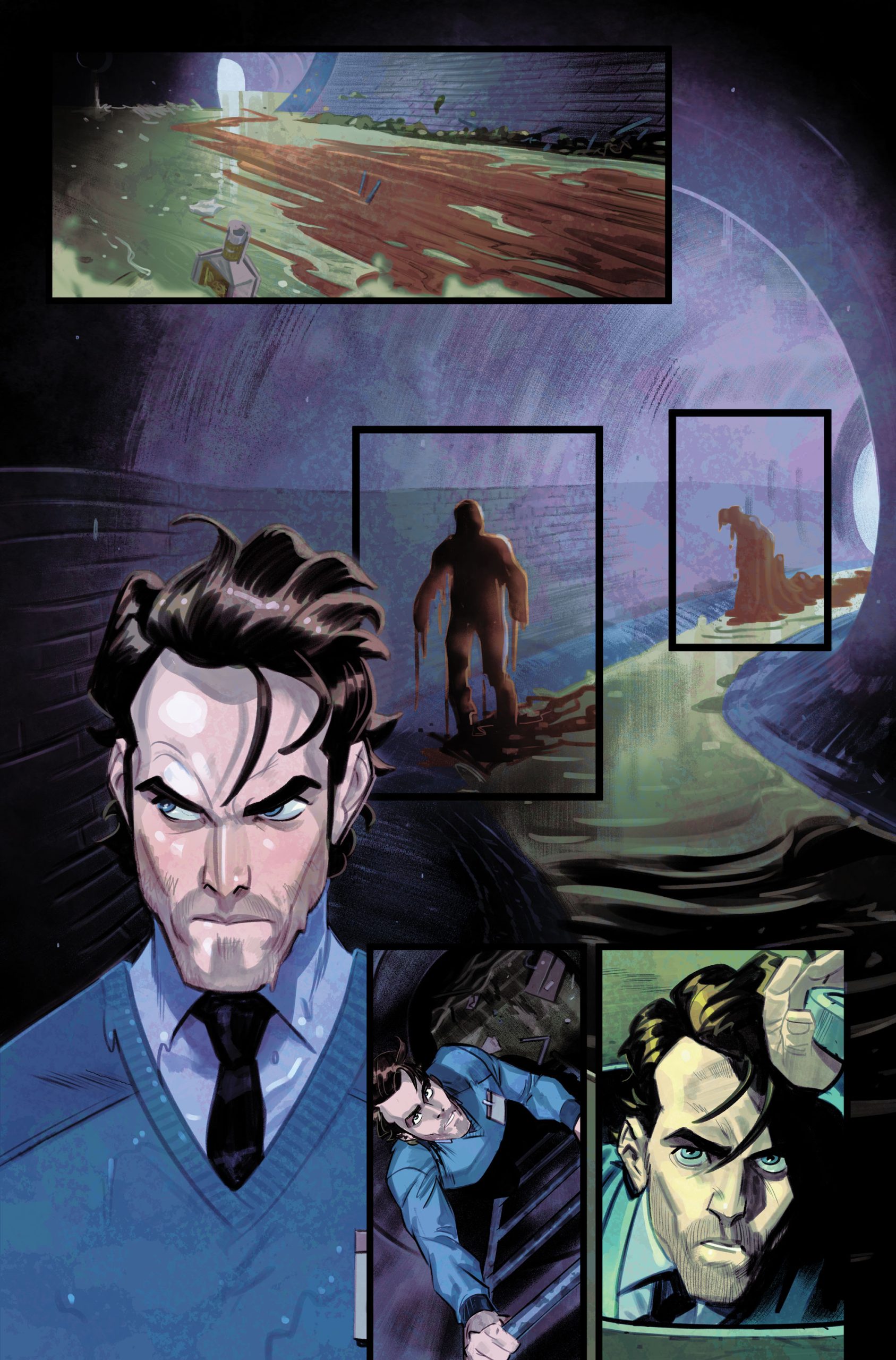
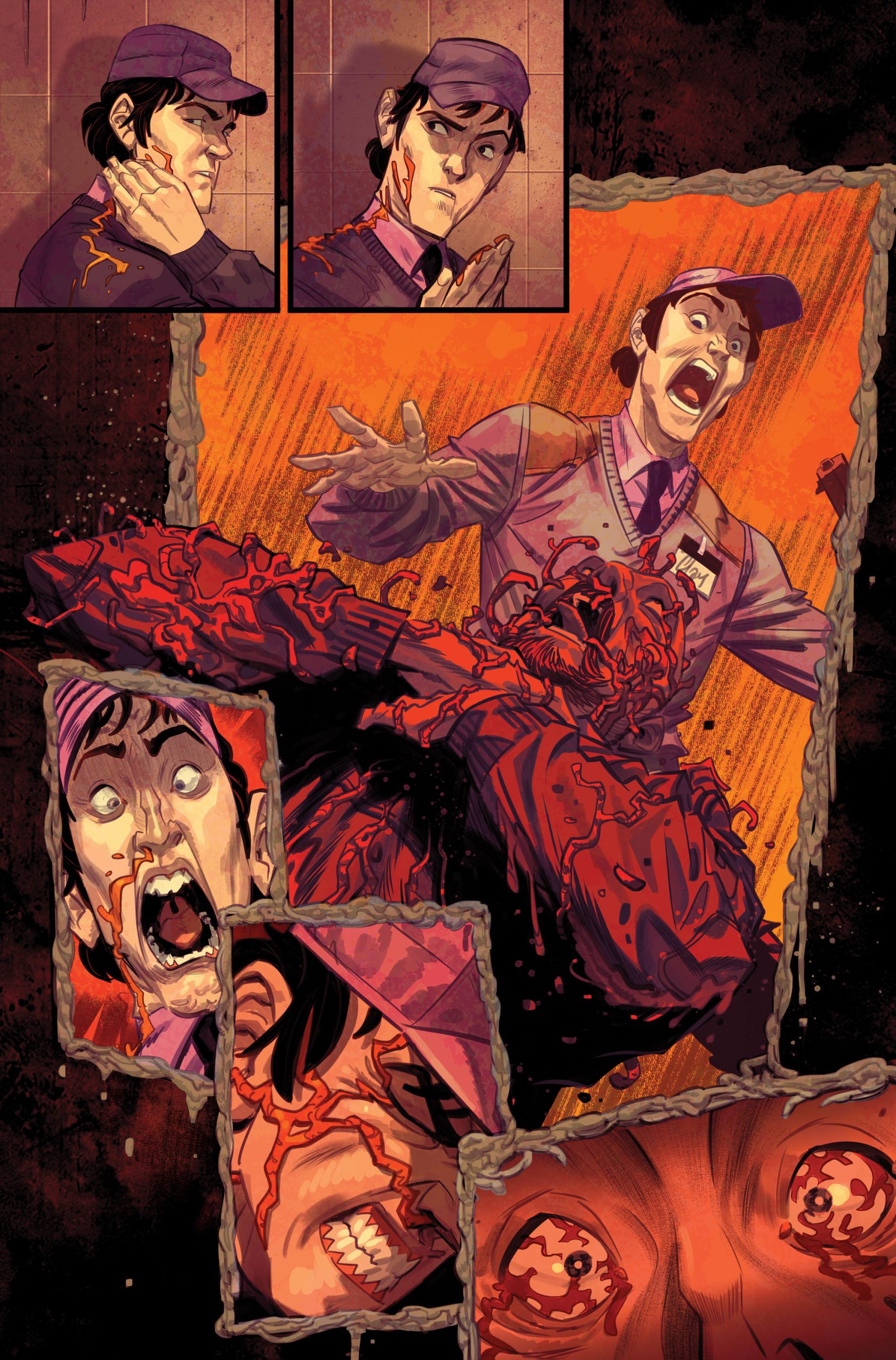
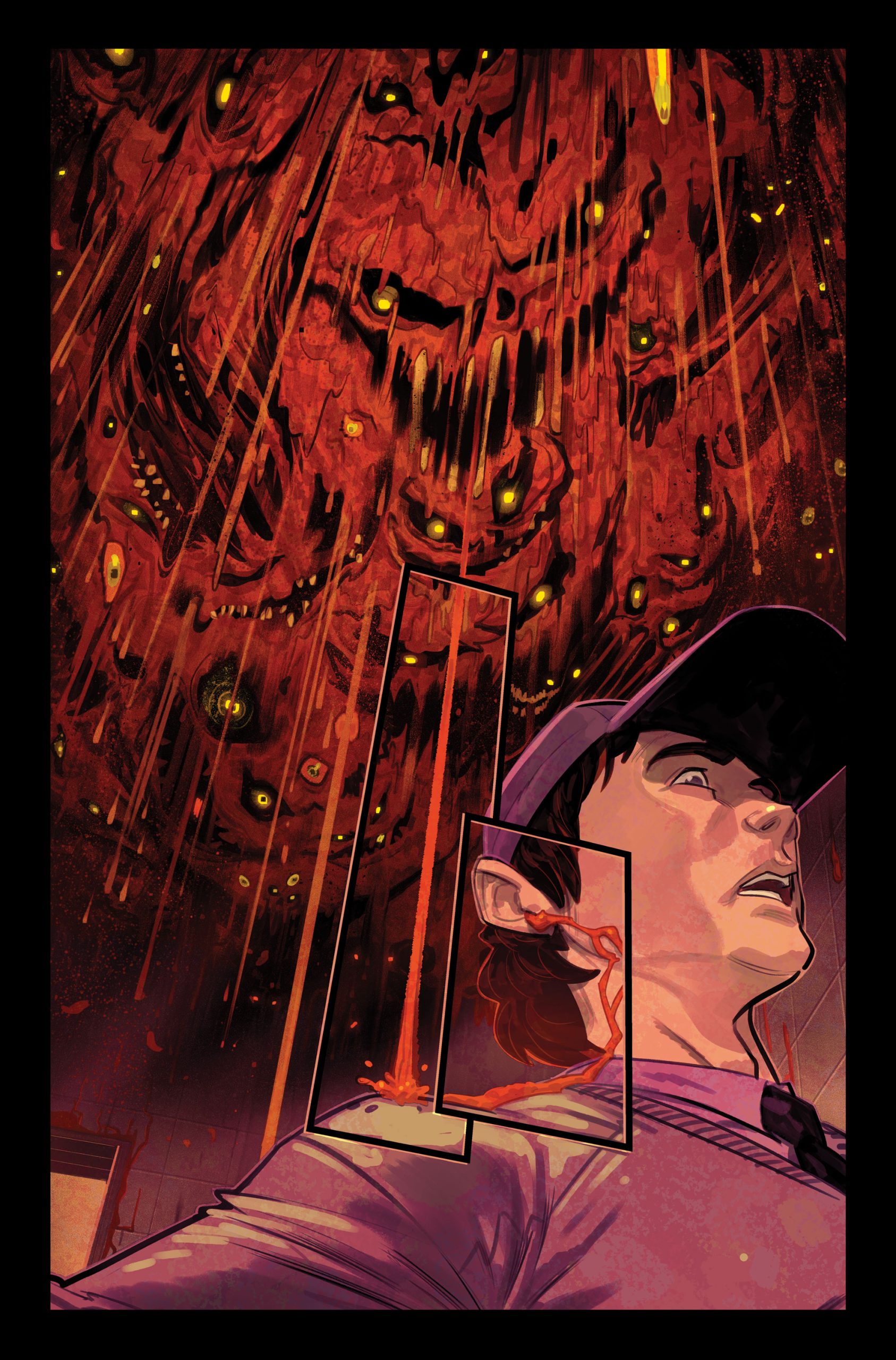
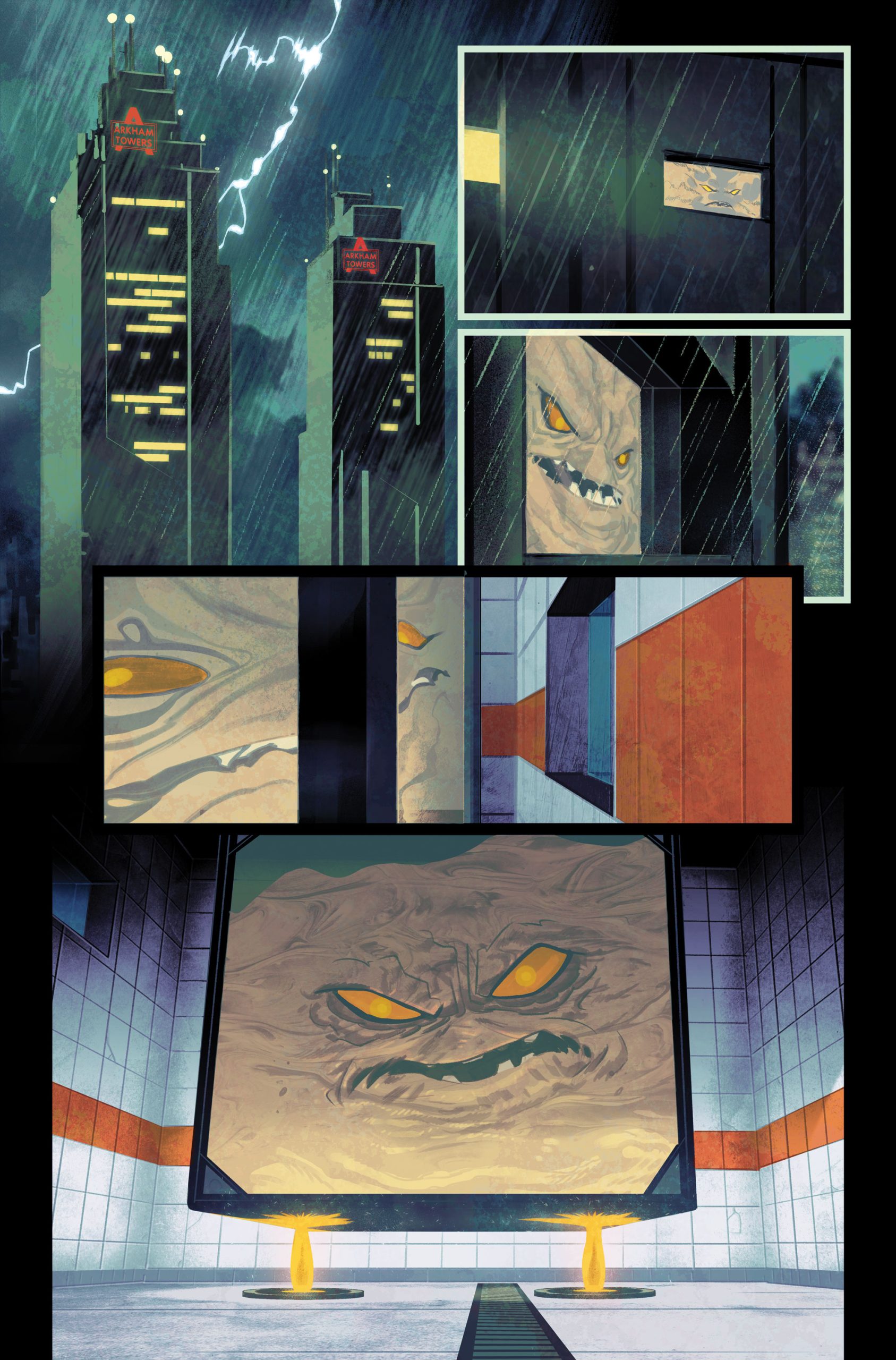
Visually, the series promises to be a grotesque masterpiece. Doyle praises Galán’s cinematic approach, treating paneling like “tracking shots and zooms” to masterfully capture the story’s tonal swings, moving from “conventionally glamorous” to “slimy and utterly disgusting” on the same page.

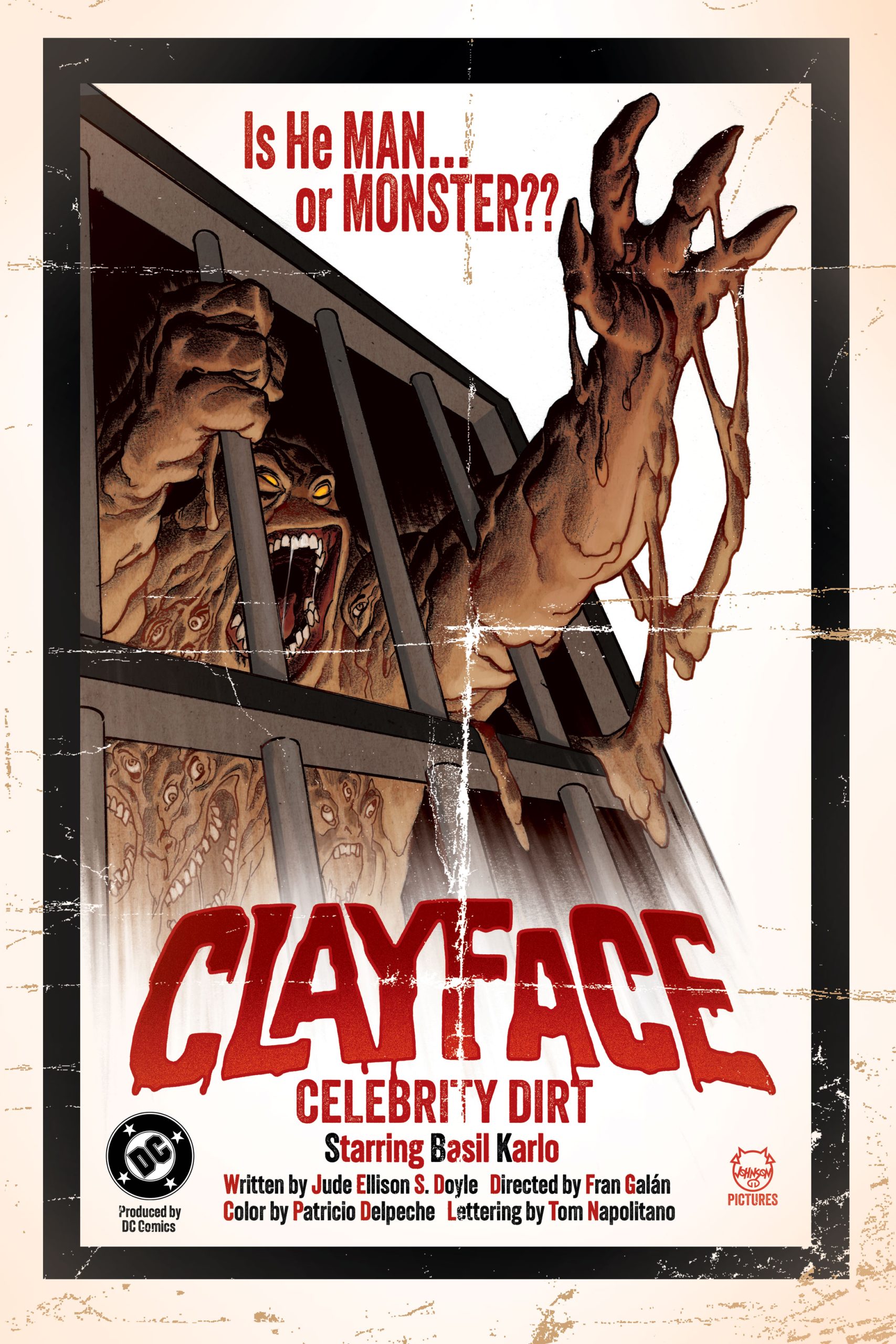
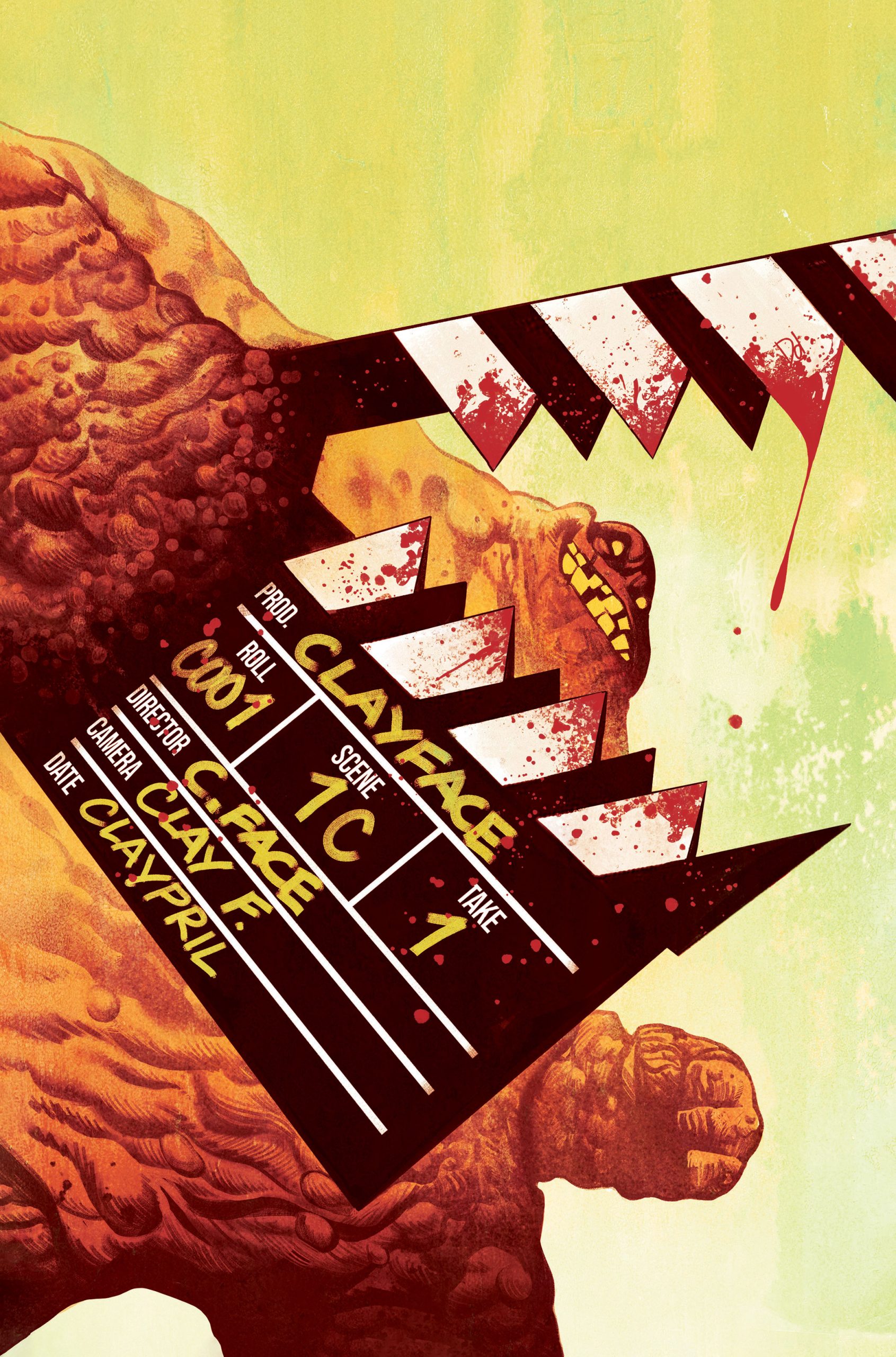
For horror fans, the writer’s greatest joy was exploiting Clayface’s limitless, Protean powers to devise new forms of nightmare fuel. Celebrity Dirt promises a story that is both a love letter to the character’s history and a deeply unsettling exploration of identity, addiction, and the horror of losing yourself.
“Clayface” is less an identity than it is a condition, so who winds up with that condition? Who risks turning into a mud puddle or worse, just for the chance to change how they look?”
Reframing Clayface from a singular villain into a haunting archetype, suggesting that anyone desperate enough could succumb to this monstrous metamorphosis. It elevates the character beyond mere physical horror into a philosophical question about identity and the lengths people will go to escape themselves, which is perfect fodder for the psychologically rich storytelling Batman fans crave.
“Here is someone who got badly injured, who—through no real fault of his own—resorted to a substance to relieve his problems so that he could keep working, and who completely lost control of his own life and body as a result.”
Keeping Clayface Relatable
They powerfully ground the larger-than-life Clayface in a disturbingly relatable human tragedy, drawing a direct line between his comic book origin and real-world struggles with addiction and medical dependency. It reminds readers that Basil Karlo is not a one-note monster but a broken man whose downfall began with a desperate choice, making his battle for redemption feel deeply personal and emotionally resonant.

And finally a note of horror:
“He can be as big as a room, or as small as a teardrop. He can be a kaiju-sized monster, stomping a city, or he can be Tom Ripley, conning and manipulating people from behind a stolen face.”
Clayface: Celebrity Dirt #3 hits comic book shops on September 9th,
Source: DC.com
All images maybe subject to copyright.