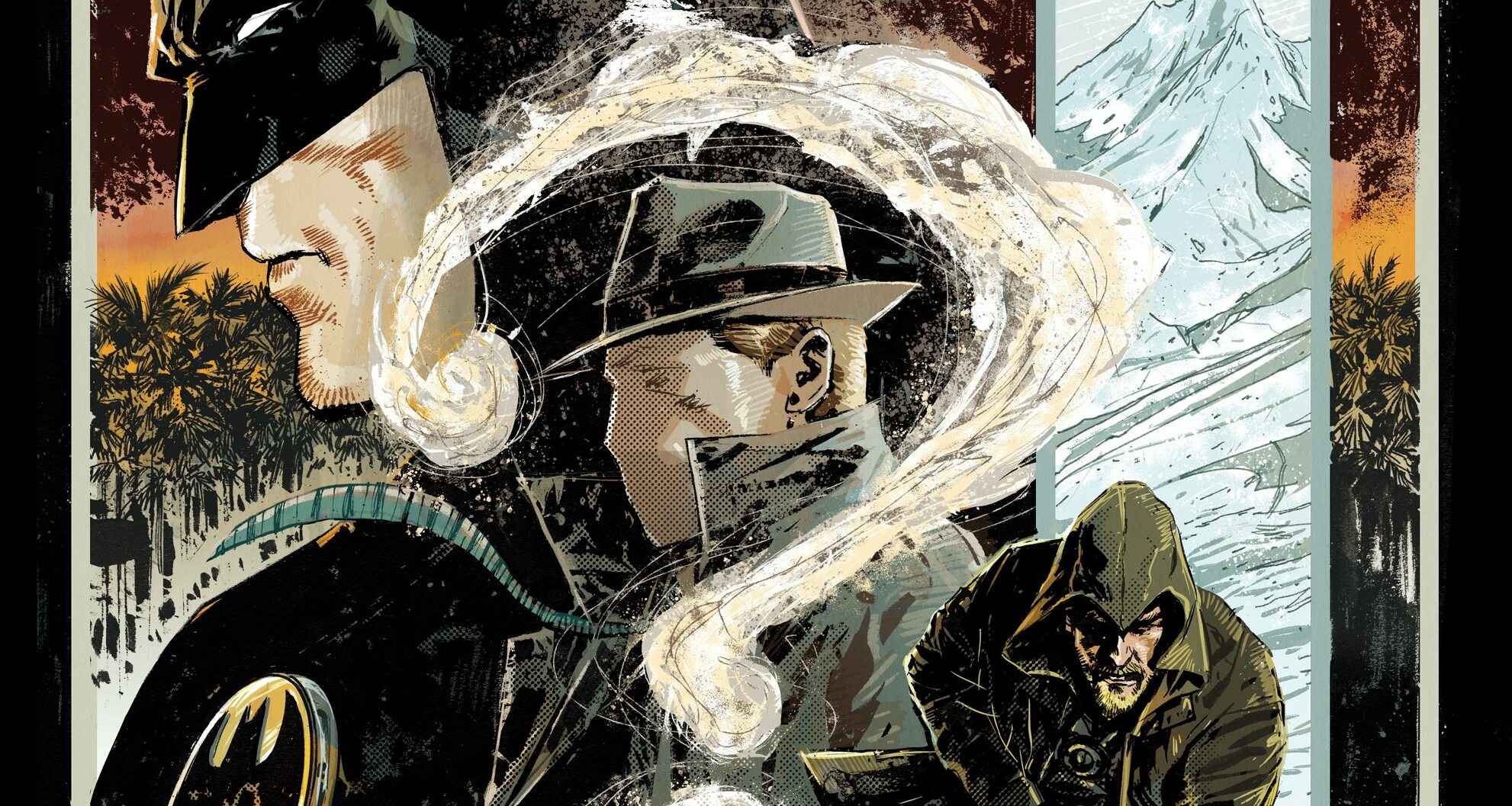
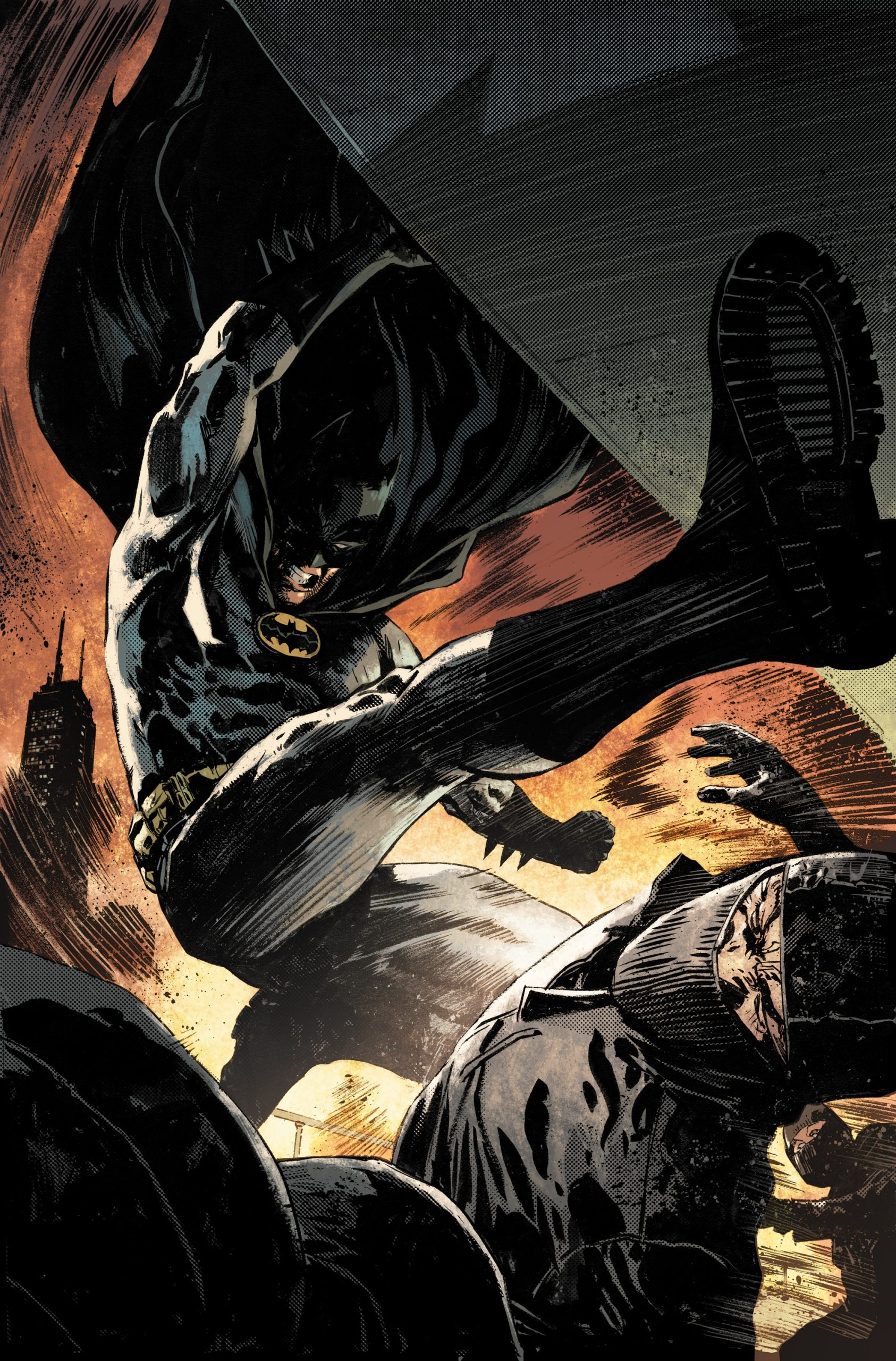
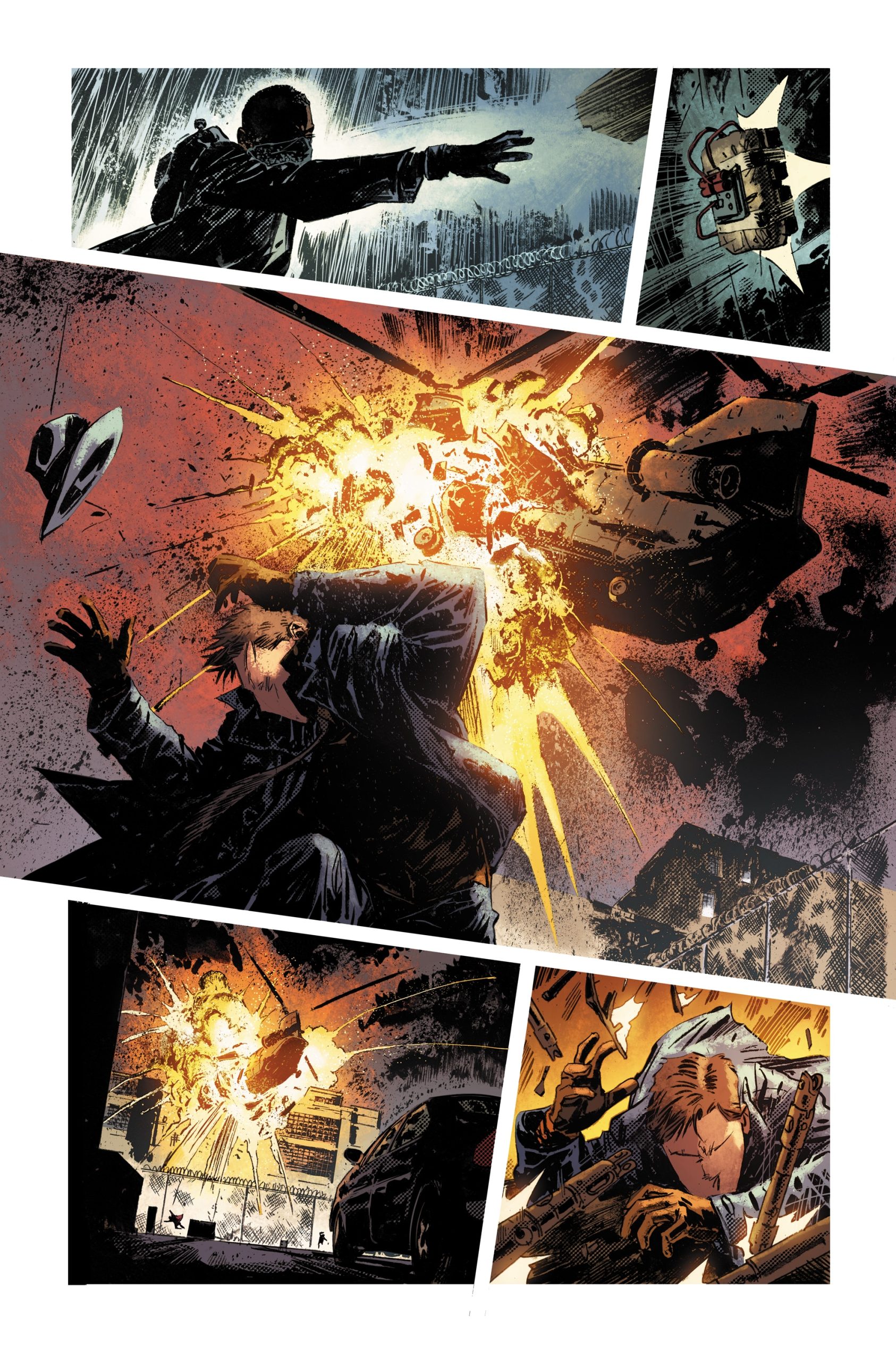
Batman/Green Arrow/The Question: Arcadia writer and artist Gabriel Hardman opened up about the story’s heavy Bronze Age inspiration, as well as its political themes.
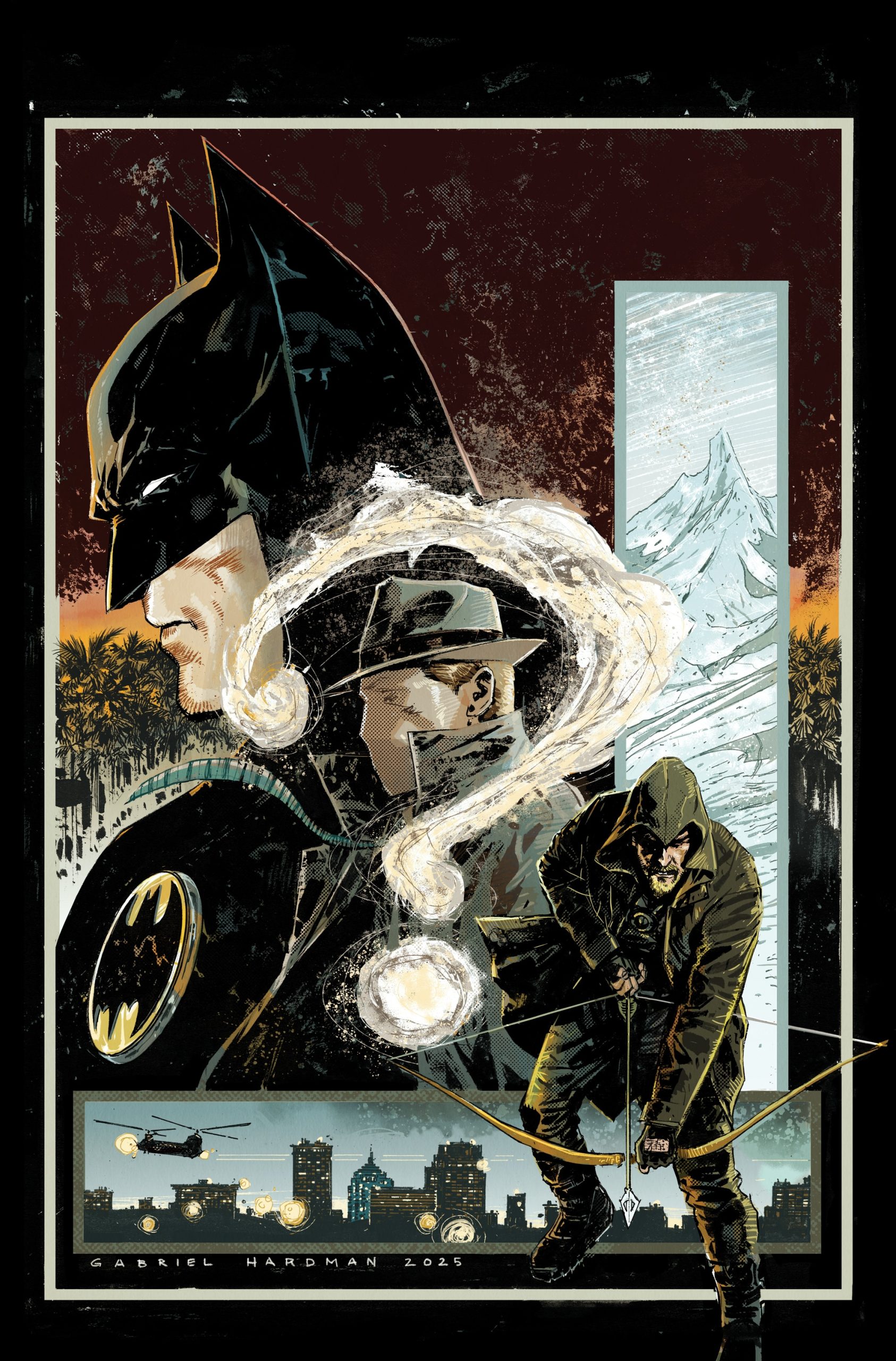
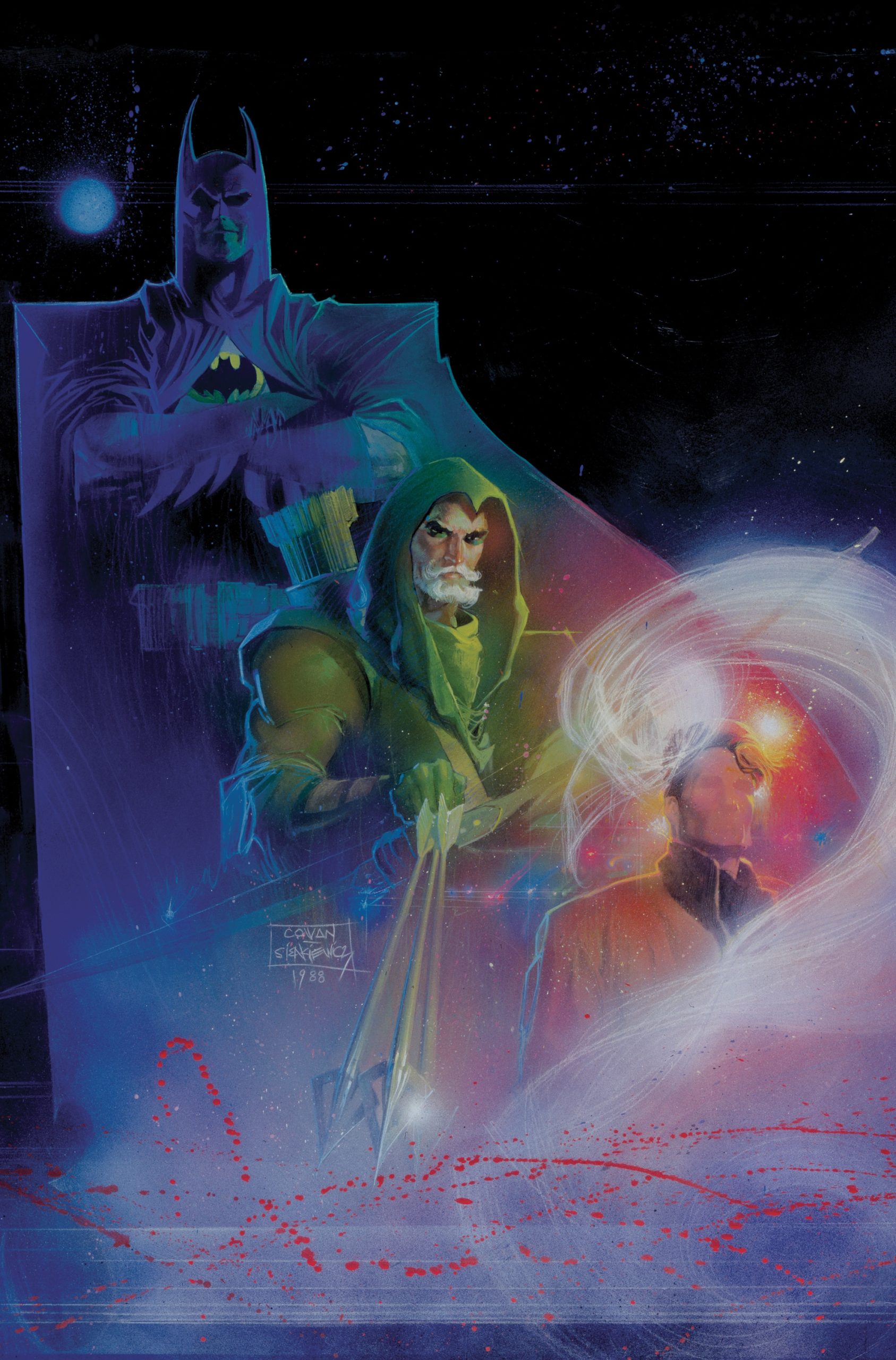
In an interview with DC Comics, Hardman nerded out about how he is a massive fan of Denny O’ Neil’s work. O’Neil is-of course- the writer of iconic runs on Batman, Green Lantern/ Green Arrow, and The Question. Not surprisingly, the love for O’Neil’s work is the reason for teaming-up Batman with the Question and Green Arrow in his own Black Label series Arcadia.
Different Character Ideologies
In Arcadia, the three different crimefighters travel to a supposedly-climate-free, artificial island named Arcadia. While Arcadia is boasted to be an island utopia, something more insidious is going on underneath it.
Despite Batman, Green Arrow, and the Question being on the same side of the law, they all have wildly different approaches and ideologies that causes them to clash with each other. Hardman points out since Bruce Wayne is a billionaire, he comes from more of a place of wealth and privilege- which causes him to overlook certain things.
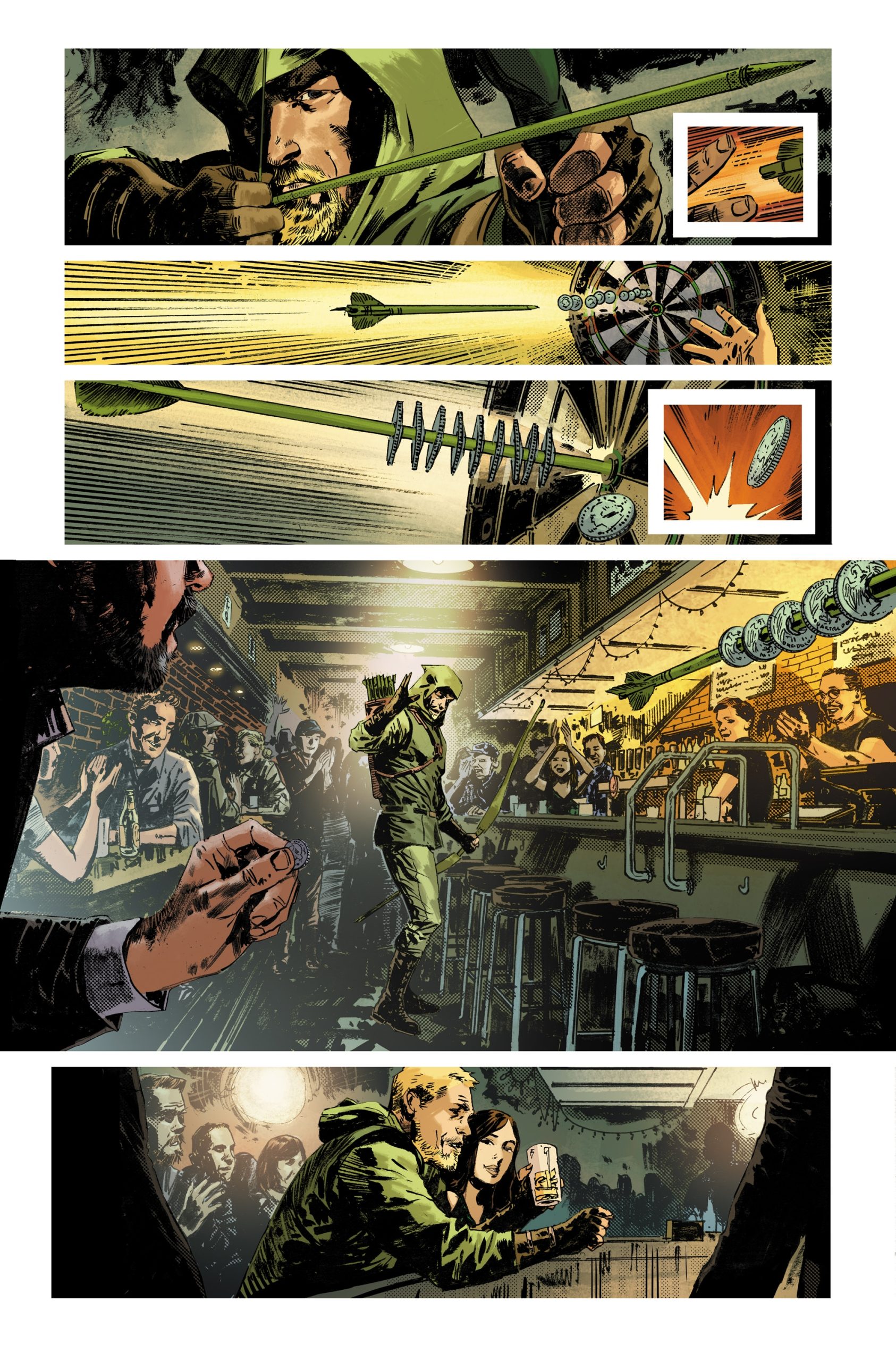
They are all coming from ideologically different places, and that’s the core of the storytelling. Batman is someone who is a bit more personally privileged than the others are at this point. He’s coming from a place of his personal authority being the thing that drives him—his ideas about right and wrong, and the way to implement them. He’s more sympathetic to people in his financial cohort. Green Arrow has turned his back on the privilege that he grew up with, but in my book, he’s also kind of lost his way. While he was always the guy wearing his ideals on his sleeve, at the beginning of the book, he’s kind of lost that and needs to find his way back to something. The Question is all about Hub City, and Hub City has completely imploded at this point. In the past, he was this crusading journalist/commentator, but Hub City doesn’t even have local radio or TV or anything like that anymore. He’s a little bit of a dinosaur in that way, and yet he’s trying to remake himself as someone who is just about street reporting, just about telling people what’s going on in their community and fighting fights that are about his beloved city, which is coming apart.
Also, Green Arrow does not wear a mask. Everybody knows who he is. He’s not hiding anything. Batman’s identity is obviously an enormous thing for him. And the Question literally has a blank face. The masks, the identities, all play into the conflicts between these characters over the course of the book.
The Strong Political Undercurrent of ‘Arcadia’
Gabriel Hardman also wanted to keep Denny O’Neil’s theme of social justice in Arcadia. Hardman opened up and said that the social justice themes can be a tricky balance as a writer. He emphasized the importance of the politics coming from the characters’ ideologies, which will then create the tension and drama.
It was very much my intention from the beginning to do a book that was relevant to the current world around us. Regardless of my personal politics, the point, when you’re telling a story, is to challenge your own ideas and not let it become something didactic. This is about everybody having to confront their biases and their conflicts. Each of these characters is approaching this central political conflict from a different point of view. Each of them has different politics and different ideas about the world, which creates conflict and drama. That’s what excites me about it and what I’m passionate about. It’s why the political aspects play out differently with these different characters.
For more about Hardman’s process for the book, check out the link below!
Batman/Green Arrow/The Question: Arcadia #1 is now available in comic book shops and digital.
Source: DC.com
All images maybe subject to copyright.